⚠️ Research Use Only (RUO). Not for human or veterinary use. All content on this page is provided for educational and scientific reference purposes only.
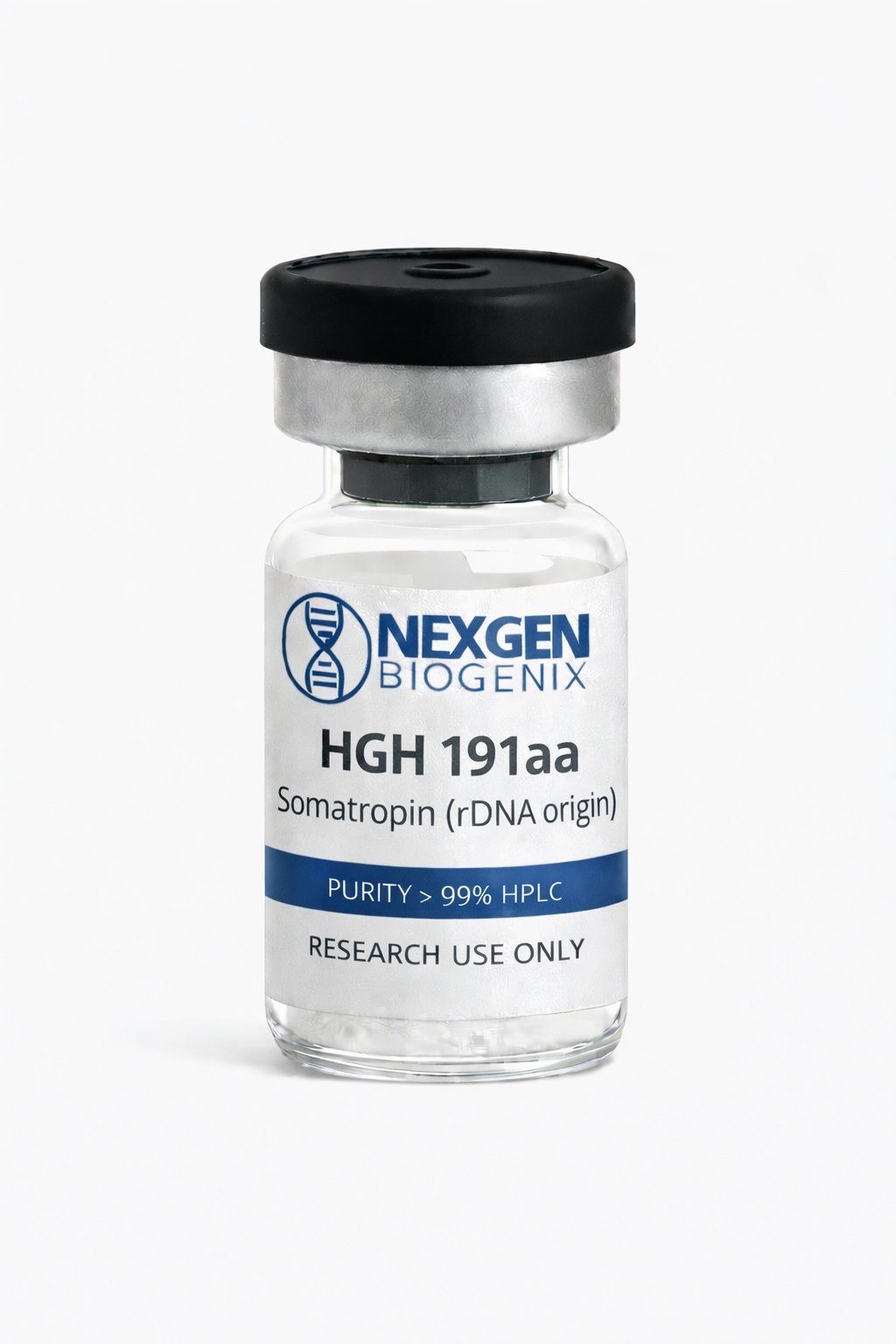
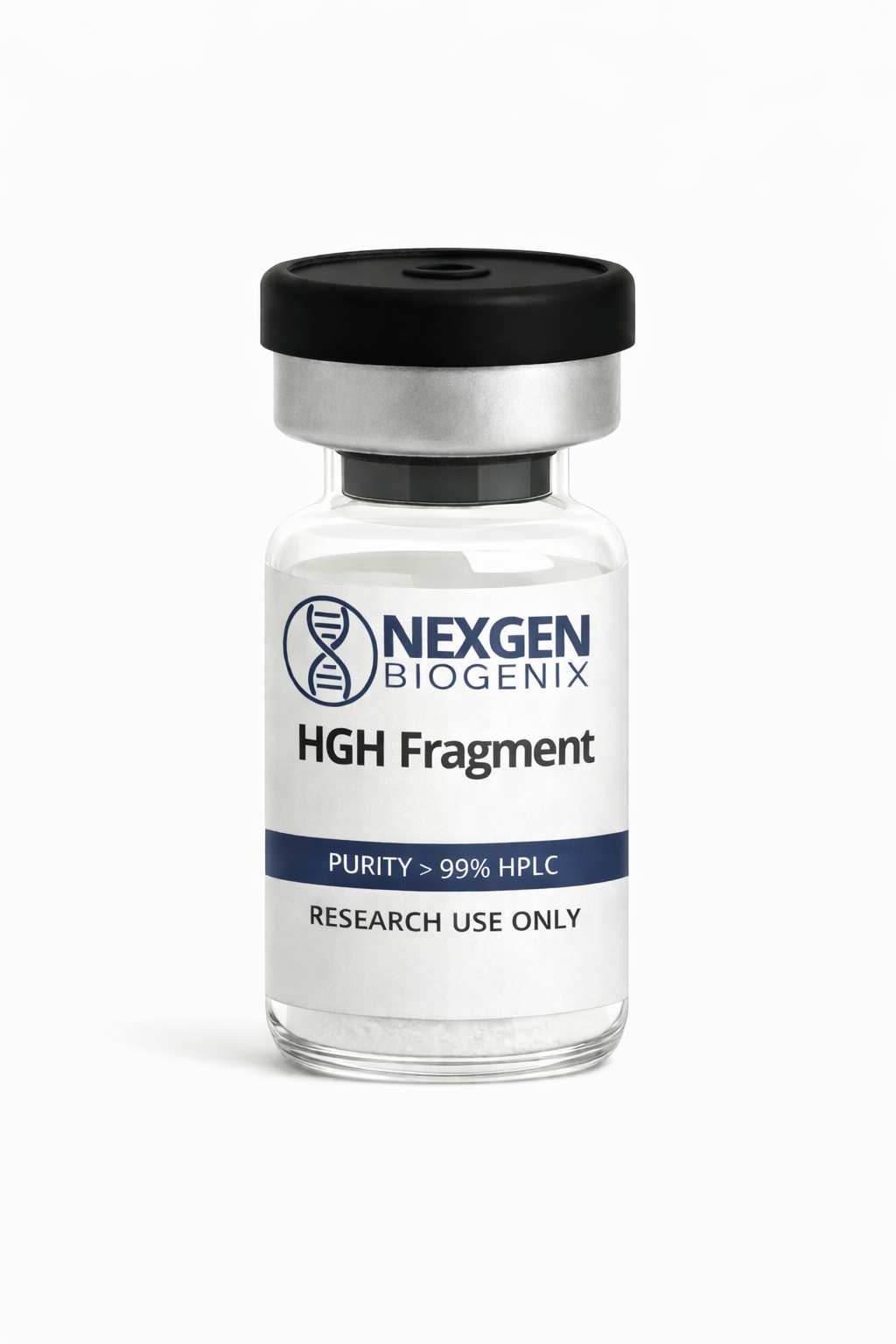
HGH 191aa — Recombinant Human Growth Hormone (Somatropin, rDNA Origin) — Research Overview (RUO)
Quick Facts
- Full name: Recombinant Human Growth Hormone (somatropin, rDNA origin)
- Common abbreviations: HGH; rHGH; rhGH; HGH 191aa; somatropin; GH
- Synonyms / related names: Somatotropin (endogenous pituitary-derived form); GH-N (growth hormone-N gene product); somatrem (an older 192-amino-acid methionyl analog, distinct from somatropin)
- Protein class: Single-chain polypeptide hormone; 191 amino acids; four antiparallel alpha-helical bundle; two disulfide bridges (Cys53–Cys165 and Cys182–Cys189); produced in E. coli expression systems via rDNA technology
- Molecular formula: C990H1529N263O299S7
- Molecular weight: 22,124 Da (22.1 kDa); CAS: 12629-01-5; UniProt: P01241
- Primary research themes: GH receptor biology (JAK2/STAT5/ERK/PI3K signaling); somatotropic axis and IGF-1 biology; aging and longevity (somatopause, “GH/longevity paradox”); metabolic and body composition research; bone and cartilage biology; wound healing models; GH deficiency (GHD) disease models
- Evidence level: Extensive human clinical data — but exclusively for FDA-approved indications under prescription-only pharmaceutical-grade products. Human data for anti-aging, body composition enhancement, or athletic performance use are insufficient and the use for those purposes is prohibited under federal law.
- Regulatory status (critical — read in full): Multiple FDA-approved pharmaceutical-grade somatropin products exist for specific indications (GHD, Turner syndrome, SGA, etc.) — these are prescription drugs requiring physician authorization and pharmacy dispensing, not RUO research compounds. Recombinant HGH sold as a Research Use Only compound for laboratory use is not the same as an FDA-approved pharmaceutical product and is not approved for human use. Distribution of HGH for any use in humans other than an FDA-authorized indication is a federal felony under 21 U.S.C. § 333(e), punishable by up to 5 years imprisonment. HGH is prohibited by WADA under the S2 category at all times.
⚠️ Critical Regulatory Notice — Read Before Continuing
Human growth hormone (HGH, somatropin) occupies a uniquely complex position in the research compound landscape that differs fundamentally from every other compound described on this website. Researchers and procurement professionals must understand the following before using any information on this page:
Multiple pharmaceutical-grade somatropin products — including Genotropin, Norditropin, Humatrope, Nutropin, Omnitrope, Saizen, and others — are FDA-approved prescription drugs, legally manufactured under Good Manufacturing Practices (GMP), dispensed by licensed pharmacies with a valid physician prescription, and authorized for a narrow set of specific medical indications. These are not RUO research compounds and are not the subject of this page.
The subject of this page is recombinant human growth hormone produced for laboratory research applications — typically expressed in E. coli under non-GMP conditions, characterized for identity and purity, and sold under RUO classification for in vitro scientific investigation only. Under US federal law (21 U.S.C. § 333(e), the Anabolic Steroids Control Act of 1990 as amended), distributing or possessing with intent to distribute human growth hormone — defined in statute as somatropin, somatrem, or an analog of either — for any use in humans other than the treatment of a disease or recognized medical condition authorized by HHS and pursuant to a physician’s order is a federal felony punishable by up to 5 years imprisonment (up to 10 years if the offense involves a minor). This applies regardless of how the compound is labeled — including “Research Use Only.” The DEA, not just the FDA, is authorized by statute to investigate offenses under this provision, and the agency has done so repeatedly against anti-aging clinics, compounding pharmacies, and online suppliers.
Nothing on this page provides guidance, authorization, or endorsement for any human use of HGH in any form.
What Is Recombinant Human Growth Hormone (HGH 191aa)?
Human growth hormone — universally abbreviated HGH or GH — is a 191-amino-acid single-chain polypeptide produced by somatotroph cells of the anterior pituitary gland. The human body naturally produces many peptides — small protein-like molecules that act as biological messengers throughout the body — and GH is one of the most pleiotropic and physiologically indispensable, regulating postnatal linear growth, body composition (lean mass and fat distribution), bone mineral density, carbohydrate and lipid metabolism, immune function, and cardiovascular physiology throughout the human lifespan. GH secretion is pulsatile, regulated by a hypothalamic push-pull system: growth hormone-releasing hormone (GHRH) from the arcuate nucleus drives GH pulses, while somatostatin from periventricular neurons inhibits GH release between pulses. Ghrelin, produced in the stomach and hypothalamus, amplifies GH pulse amplitude through GHS-R1a receptor signaling. The net result is a pattern of GH secretion in which the highest-amplitude pulses occur during deep slow-wave sleep, with multiple smaller pulses distributed throughout the day.
Recombinant human growth hormone — designated “somatropin (rDNA origin)” by the FDA — is produced by inserting the human GH-N gene (located on chromosome 17q22–24) into an E. coli expression system, resulting in a 191-amino-acid protein with a primary sequence identical to pituitary-derived somatropin. The recombinant protein folds into the characteristic four antiparallel α-helical bundle structure and contains two disulfide bonds (Cys53–Cys165 and Cys182–Cys189) essential for biological activity. Because it is expressed in prokaryotic E. coli cells, recombinant somatropin lacks the glycosylation present on some related pituitary peptides, but — as validated in FDA approval studies — retains biological potency equivalent to pituitary-derived GH as measured by growth-stimulating effect relative to International Standard reference preparations calibrated in International Units (IU). One IU of recombinant somatropin corresponds to approximately 0.33 mg of protein. The molecular weight of 22,124 Da means somatropin is a medium-sized protein hormone — far larger than the small peptides described elsewhere on this site — with different stability, handling, and bioavailability characteristics from peptides in the 400–5,000 Da range.
First synthesized by recombinant DNA technology in 1981 and FDA-approved in 1985 (Protropin, Genentech) — replacing pituitary-derived HGH that had caused fatal Creutzfeldt-Jakob disease in treated patients — recombinant somatropin has become one of the most extensively characterized recombinant protein drugs in clinical medicine. Its use in laboratory research capitalizes on decades of accumulation of high-purity recombinant material and a rich body of biochemical and cellular literature characterizing the GH receptor signaling network. Research-grade somatropin produced for in vitro use is never equivalent in quality, sterility, or safety profile to FDA-approved pharmaceutical formulations, and the two must not be conflated under any circumstances.
Why Do Researchers Study It?
Researchers study recombinant somatropin because the GH/IGF-1 somatotropic axis is central to postnatal growth, metabolic homeostasis, aging biology, and — paradoxically — both the promotion of longevity and the facilitation of cancer in different experimental and clinical contexts. As a well-characterized protein with decades of structural and functional data, it serves as an ideal tool compound for receptor biology studies and downstream signaling network investigations.
- GH receptor (GHR) signal transduction research: Somatropin is the natural activating ligand for the GH receptor, a single-pass transmembrane cytokine family receptor that signals through JAK2/STAT5, MAPK/ERK, and PI3K/Akt pathways. It is used as a reference agonist in studies characterizing receptor dimerization, JAK2 activation kinetics, STAT5 phosphorylation, SOCS feedback regulation, and the construction of GHR-associated signaling complexes in cell lines and primary cells.
- IGF-1 axis biology: GH is the primary stimulus for hepatic IGF-1 production, and the GH → IGF-1 → IGF-1R → PI3K/Akt axis is one of the most studied signaling cascades in growth, metabolism, and aging. Somatropin is used in hepatocyte cell systems to study IGF-1 transcription regulation, the STAT5b-mediated hepatic IGF-1 promoter activation, and feedback regulation of the axis.
- Aging and longevity biology — the “GH/longevity paradox”: One of the most provocative findings in mammalian aging research is that mice with genetic GH deficiency or GH receptor knockout live substantially longer (up to 40–65% in some Ames and Snell dwarf mouse strains) and maintain extended healthspan with delayed cognitive decline and reduced age-related disease burden. Paradoxically, GH declines with age in humans (somatopause) and GH/IGF-1 deficiency is associated with adverse metabolic and body composition outcomes in aging. Researchers use somatropin in cellular and animal model systems to investigate both sides of this paradox — specifically, the context-dependence of GH/IGF-1 signaling in aging vs. GH deficiency vs. GH excess states.
- Metabolic and body composition research: GH directly regulates lipolysis (GH stimulates fatty acid release from adipocytes through GHR/STAT5-independent, ERK/PI3K-mediated pathways), protein synthesis (through IGF-1 and direct effects on muscle cells), and glucose metabolism (GH opposes insulin action in the short term, producing insulin resistance that is important to characterize in metabolic models). Somatropin is used in adipocyte, myocyte, and hepatocyte cultures to study these metabolic effects at the cell biology level.
- Bone biology and chondrogenesis: GH acts directly on growth plate chondrocytes and indirectly through systemic and local IGF-1 to drive longitudinal bone growth and bone mineral density maintenance. Recombinant somatropin is used in chondrocyte and osteoblast culture systems and in bone organ culture models to study the molecular mechanisms of GH-induced bone growth.
- Wound healing and tissue regeneration models: Published studies have described GH and IGF-1 as promoting dermal fibroblast proliferation, keratinocyte migration, collagen synthesis, and angiogenesis in wound-healing models. Somatropin is used in these systems to study the GHR/IGF-1-mediated component of tissue repair signaling.
Proposed Mechanism (Research Framing)
The following mechanistic descriptions are drawn from published biochemical, cell biology, and preclinical literature. GH receptor signaling in the context of the FDA-approved pharmaceutical indications (GHD, Turner syndrome, SGA) is well-established. The mechanisms described below are the research-context characterization of GH receptor biology. Claims about aging-related effects, longevity, or body composition represent preclinical and exploratory research findings that the exact translation to human outcomes has not been fully established for all contexts. All claims should be understood within the appropriate scientific framing.
Somatropin’s mechanism of action begins with sequential binding to the growth hormone receptor (GHR), a 620-amino-acid single-pass transmembrane cytokine family receptor expressed at highest density in hepatocytes but present in virtually every cell type in the body including muscle, adipose, bone, brain, kidney, immune cells, and skin. Each GH molecule possesses two distinct receptor binding sites — “site 1” (high-affinity, composed primarily of helix 4 and the connecting loop between helices 1 and 2) and “site 2” (lower-affinity, composed primarily of helix 1 and helix 4). Published structural studies describe GH as binding first through site 1 to a single GHR molecule, and subsequently through site 2 to recruit a second GHR molecule, generating an asymmetric 1:2 GH:GHR ternary complex that initiates receptor dimerization. This sequential two-site binding mechanism is the structural basis of GH’s ability to both activate and, at sufficiently high concentrations, suppress the GH response — a pharmacological phenomenon called “receptor overstimulation” or “spare receptor” effects that researchers account for when designing dose-response studies.
GHR dimerization drives the pre-associated Janus kinase 2 (JAK2) molecules bound to the Box1 and Box2 cytoplasmic domains of each GHR subunit to transphosphorylate each other in a sequential activation cascade. Activated JAK2 then phosphorylates multiple tyrosine residues on the intracellular domain of the GHR, creating phosphotyrosine docking sites for downstream signaling proteins. The best-characterized downstream effector is STAT5 (primarily STAT5b in the liver). STAT5 binds these phosphotyrosine residues via its SH2 domain, is subsequently phosphorylated by JAK2 at Y694 (STAT5b), dimerizes, and translocates to the nucleus where it acts as a transcription factor for GH-regulated genes — most importantly the gene encoding IGF-1 in hepatocytes. Through this canonical GH → GHR → JAK2 → STAT5b → IGF-1 transcription pathway, GH drives hepatic IGF-1 production and secretion, and circulating IGF-1 mediates many of GH’s growth-promoting effects on peripheral tissues through the IGF-1 receptor (IGF-1R), a receptor tyrosine kinase that activates PI3K/Akt and MAPK/ERK signaling for cell growth, protein synthesis, and anti-apoptotic effects. In addition to STAT5, the activated JAK2/GHR complex recruits Shc adaptor proteins (initiating the Ras/Raf/MEK/ERK1,2 mitogenic pathway), IRS-1/IRS-2 (recruiting PI3K and activating Akt and mTOR — the same pathway initiated by insulin receptor signaling), and SIRPα1 (which recruits the tyrosine phosphatase SHP2 and modulates the duration and magnitude of JAK-STAT signaling as part of a negative feedback mechanism). SOCS (suppressors of cytokine signaling) proteins — particularly SOCS2 — are induced by STAT5 activation and feed back to inhibit JAK2 activity and promote GHR ubiquitination and internalization, terminating the GH signal.
A critical and actively debated dimension of GH signaling relevant to longevity and aging research is the observation that GH/IGF-1 deficiency — rather than excess — is associated with extended lifespan in multiple animal models, including Ames dwarf mice (Prop1 mutants lacking GH-secreting cells), Snell dwarf mice (Pit1 mutants), and GH receptor knockout (GHRKO, “Laron syndrome model”) mice. These animals live 40–65% longer than wild-type controls and show reduced incidence of multiple age-related diseases. Researchers have proposed that the mechanism involves reduced mTOR activity (downstream of IGF-1/PI3K/Akt), reduced cellular oxidative stress, enhanced stress resistance, and slower rates of somatic mutation and cellular senescence. The published literature has therefore described what researchers call the “GH/longevity paradox”: the same somatotropic signaling axis that is essential for postnatal growth and metabolic homeostasis — and whose deficiency produces growth failure and adverse metabolic outcomes — may, if persistently elevated in otherwise healthy adults, accelerate biological aging through chronically elevated IGF-1/mTOR signaling. The resolution of this paradox in the context of human aging biology remains one of the most actively contested questions in geroscience.
Key Targets and Pathways Described in the Literature
- Growth hormone receptor (GHR): Primary target; 620-aa single-pass transmembrane receptor; dimerized by sequential two-site GH binding; expressed ubiquitously; activation initiates all downstream signaling
- JAK2 (Janus kinase 2): Primary intracellular effector kinase; pre-associated with Box1/Box2 GHR cytoplasmic domain; transphosphorylates and activates upon GHR dimerization; required for virtually all downstream GH signaling
- STAT5a / STAT5b: Primary transcription factors downstream of JAK2; STAT5b described as the principal driver of hepatic IGF-1 gene transcription; phosphorylated at Y694 by JAK2, dimerizes, translocates to nucleus
- IGF-1 / IGF-1R axis: Hepatic IGF-1 secretion is the primary endocrine mediator of GH’s growth-promoting effects; circulating IGF-1 binds IGF-1R on peripheral tissues, activating PI3K/Akt/mTOR and MAPK/ERK for anabolic and growth effects
- MAPK/ERK pathway: Activated through Shc/Grb2/SOS/Ras/Raf/MEK downstream of GHR-JAK2; described as mediating mitogenic and differentiation effects of GH independent of IGF-1
- PI3K/Akt/mTOR pathway: Activated through IRS-1/IRS-2 downstream of GHR-JAK2 and through IGF-1R; described as mediating protein synthesis, glucose transport, and anti-apoptotic effects; also the pathway proposed to link chronic GH/IGF-1 signaling to accelerated aging via mTOR in some animal models
Research Applications (RUO Context)
In laboratory research settings, recombinant somatropin (rHGH) produced for in vitro research use is applied as a tool compound to study GH receptor signaling, IGF-1 axis biology, and the cellular and molecular mechanisms underlying GH-mediated metabolic and growth regulation. The following reflects how qualified researchers use research-grade somatropin in controlled, non-clinical experimental systems. No dosing protocols, reconstitution instructions, administration routes, or guidance for human use is provided or implied. Research-grade somatropin is not equivalent to FDA-approved pharmaceutical formulations.
- GHR dimerization and JAK2 activation assays: Used to study the kinetics of GHR dimerization, JAK2 transphosphorylation, and STAT5 activation in cell lines expressing endogenous or transfected GHR; used alongside JAK inhibitors (e.g., ruxolitinib) and GHR antagonists (e.g., pegvisomant analogs) to dissect the signaling cascade
- IGF-1 transcription studies in hepatocyte models: Applied in primary hepatocyte cultures and hepatoma cell lines (HepG2, Hep3B) to study GH-induced STAT5b nuclear translocation, STAT5 binding to IGF-1 gene promoter elements, and the regulation of hepatic IGF-1 mRNA and protein secretion in response to GH stimulation
- Adipocyte lipolysis models: Applied in 3T3-L1 differentiated adipocytes and primary adipose stromal cultures to study GH-induced fatty acid release, the ERK/PI3K-mediated mechanism of acute lipolysis, and the reciprocal relationship between GH and insulin in adipose glucose and lipid metabolism
- Bone and chondrocyte biology: Applied in growth plate chondrocyte cultures and osteoblast lineage cells to study GH-direct (IGF-1-independent) effects on chondrocyte differentiation, columnar organization, and proteoglycan synthesis; used in bone organ culture systems to study GH-mediated longitudinal growth
- Aging and longevity signaling models: Used in primary fibroblasts from aged donors and GHD patients, and in cell lines with siRNA-mediated GHR knockdown, to study how altered GH/IGF-1 signaling changes cellular responses to oxidative stress, DNA damage, and senescence-inducing stimuli; used in the context of the mTOR-aging hypothesis to study pathway interactions
- GH receptor pharmacology — reference agonist: Used as the reference natural agonist in studies characterizing novel GHR-binding molecules, GHR partial agonists, GHR antagonists (pegvisomant class), and biased GHR agonists designed to activate specific downstream pathways; used to generate Emax and EC₅₀ reference values for comparative pharmacology
Evidence Snapshot
► Preclinical Evidence (In Vitro / Animal Models)
- Decades of published work in Ames, Snell, and GHR knockout (Laron syndrome model) mice have established that GH/IGF-1 deficiency extends maximum lifespan by 40–65% and delays the onset of multiple age-related pathologies. These findings have been described in landmark reviews by Bartke (2003, Science of Aging Knowledge Environment), Kopchick et al., and Brown-Borg as providing the strongest mammalian evidence that the somatotropic axis is a key regulator of aging rate — though the directionality of this effect (low GH = longer life) is the inverse of the widely marketed “anti-aging HGH” narrative and is a critical scientific context for any researcher studying GH in aging models.
- Carter-Su et al. (2016, Growth Hormone & IGF Research, PMC7644140) and Waters (2016, Frontiers in Endocrinology, PMC5816795) have published extensively characterizing the JAK2/STAT5/ERK/PI3K signaling network downstream of GHR activation using recombinant somatropin in cell systems, establishing the molecular basis for GH’s pleiotropic effects in tissue culture models.
- In body composition and metabolic research using rodent models of GH deficiency (hypophysectomized rats, Ames dwarfs), somatropin replacement studies have described restoration of lean mass, normalization of fat distribution, improvement of insulin sensitivity after correction of GH deficiency, and restoration of IGF-1 levels — providing the molecular basis for GHD treatment rationale in humans.
- Wound healing models in rodents and ex vivo skin organ cultures have described recombinant somatropin as promoting dermal fibroblast proliferation and migration, collagen synthesis, epithelial regeneration, and angiogenic factor production — findings that have been described in the literature as supporting further investigation of GH-mediated tissue repair mechanisms.
► Human / Clinical Evidence
- Somatropin has an unusually extensive human clinical evidence base — but exclusively for its FDA-approved pharmaceutical-grade formulations, in approved indications (pediatric growth hormone deficiency, Turner syndrome, Prader-Willi syndrome, SGA with no catch-up growth, short bowel syndrome, adult GHD, HIV-associated wasting). These approvals, supported by multiple Phase 3 RCTs, represent decades of pharmaceutical-grade safety and efficacy data that are entirely distinct from the research-grade recombinant protein described on this page.
- For the “anti-aging” use of GH — the most commercially marketed application — the evidence base tells a different story. A 2007 Annals of Internal Medicine systematic review (Liu et al., PMID 17876024) of randomized trials found that while GH administration modestly increased lean body mass and decreased fat mass in healthy older adults, it produced no evidence of functional improvement in physical performance, and was associated with significant adverse effects including edema, arthralgias, carpal tunnel syndrome, and hyperglycemia. The authors concluded evidence was insufficient to recommend GH for anti-aging use.
- Rudman et al. (1990, New England Journal of Medicine, PMID 2355952) — the study most frequently cited by commercial anti-aging promoters — found fat loss and lean mass increases in 12 elderly men. However, the authors explicitly did not conclude that GH reversed aging, the sample was extremely small, there was no functional outcome data, and subsequent larger studies have not replicated the conclusion that GH produces clinically meaningful anti-aging benefit in the general population.
- As of early 2026, no large Phase 3 RCT has established that GH administration to healthy aging adults without documented GHD produces a meaningful improvement in longevity, functional outcomes, or quality of life that outweighs its well-characterized adverse effect profile — which includes risk of insulin resistance, edema, carpal tunnel syndrome, arthralgias, and, in the context of chronic IGF-1 elevation, theoretical cancer risk concerns.
Limitations & Open Questions
Despite the extensive published literature on GH biology, multiple critical limitations and open questions constrain the interpretation of this research for any human-health-related application.
- The GH/longevity paradox — a fundamental scientific uncertainty: The most consistent finding in mammalian longevity genetics is that GH/IGF-1 deficiency — not excess — extends lifespan in mice and potentially in humans with Laron syndrome (GHR mutations). This directly contradicts the anti-aging narrative around GH supplementation in healthy adults and represents an unresolved tension at the center of somatotropic aging research. Researchers studying GH in aging contexts must engage with this paradox rather than ignore it.
- Cancer risk — IGF-1 and the IGF-1R mitogenic axis: Elevated circulating IGF-1 has been associated in multiple large epidemiological cohort studies with increased risk of colorectal, prostate, and pre-menopausal breast cancer. Because GH drives hepatic IGF-1 production, chronic GH administration raises IGF-1 levels, and the long-term cancer implications of chronic IGF-1 elevation in healthy adults without documented GHD are not adequately characterized in randomized controlled trials. GH receptor signaling has also been described as directly relevant to cancer cell proliferation and survival in multiple tumor types.
- Research-grade vs. pharmaceutical-grade quality gap: FDA-approved somatropin formulations are produced under strict GMP conditions with validated protein folding, disulfide bond formation, biological potency (measured by growth-inducing effect relative to IU reference), sterility, pyrogenicity testing, and stability. Research-grade recombinant somatropin produced for in vitro use may vary substantially in protein folding, aggregate content, endotoxin levels, and biological activity. Results from cell-based studies using research-grade material may not be fully reproducible with pharmaceutical-grade material, and vice versa. COA documentation confirming protein identity, purity, and endotoxin levels is essential for any meaningful in vitro study.
- Extrapolation from rodent models to humans: GH pulse physiology, GHR expression patterns, JAK-STAT signal transduction kinetics, and the metabolic consequences of GH signaling differ substantially between rodents and humans. Findings from Ames dwarf mice or GHR-KO longevity models cannot be extrapolated to conclusions about human longevity biology without significant interpretive caution.
- Federal criminal law — a unique and critical constraint: Unlike virtually every other compound on this website, human growth hormone occupies a category defined by a specific federal criminal statute: 21 U.S.C. § 333(e). Distributing, possessing with intent to distribute, or prescribing HGH for any use other than an FDA-authorized indication — including anti-aging, body composition, athletic enhancement, or wellness — is a federal felony. This constraint applies to RUO-labeled products when there is evidence of intended human use, and the DEA is specifically authorized by statute to investigate these offenses. Law enforcement has successfully prosecuted anti-aging clinics, compounding pharmacies, and online sellers under this provision. Researchers, institutions, and distributors must maintain clear documentation that any research-grade HGH is intended exclusively for legitimate in vitro laboratory research.
- Stability and handling complexity: At 22 kDa, somatropin is a large, folded protein that is significantly less stable than smaller research peptides. It is susceptible to denaturation from heat, agitation, freezing/thawing cycles, and improper pH. Aggregated or misfolded GH has reduced biological activity and potential immunogenicity. Rigorous cold-chain maintenance and reconstitution protocols are essential for any assay where GH bioactivity is a study parameter.
Quality & Sourcing
Research-grade recombinant somatropin presents the most complex quality and sourcing considerations of any compound on this website, reflecting both its protein nature and its unique legal status. Quality documentation must be both scientifically rigorous and legally defensible as supporting exclusively laboratory research use.
- Lot Traceability: Each batch must carry a unique lot number traceable to the manufacturer’s fermentation, purification, and quality control records. For a recombinant protein, lot-specific traceability includes the expression host strain, fermentation batch parameters, purification scheme, and refolding conditions — parameters that affect protein folding, aggregate content, and biological activity. Inter-lot variation in recombinant protein preparations can significantly affect in vitro receptor signaling assay results.
- Certificate of Analysis (COA): A complete, lot-specific COA for research-grade somatropin must include: protein identity confirmation by SDS-PAGE and Western blot (anti-hGH antibody) or mass spectrometry (expected ~22,124 Da); purity ≥ 95–98% by RP-HPLC (with characterization of any aggregate or deamidation peaks); biological activity expressed as a specific activity in IU/mg relative to an international GH reference standard (WHO 1st International Standard, 98/574, or equivalent) — this is the most important quality indicator for receptor signaling studies; endotoxin (LAL) testing ≤ 1 EU/mg for any compound to be used in cell-based assays; and residual E. coli host cell protein and DNA content. A COA without specific activity data is insufficient for research-grade somatropin.
- Storage & Labeling: Lyophilized somatropin must be stored at 2–8°C (not frozen — freeze-thaw cycles denature the protein) in a light-protected environment. Reconstituted solutions should be prepared with bacteriostatic water or sterile diluent, stored at 2–8°C, and used within recommended stability periods confirmed by the manufacturer. Products must be clearly labeled as Research Use Only — Not for Human or Veterinary Use, with no therapeutic claims, no dosing instructions, no administration guidance, and no language implying clinical application of any kind.
📄 Questions about documentation or purity verification? Contact our support team or request a COA from our library.
US Regulatory Snapshot (Updated 2025)
- RUO classification and its limits: Recombinant human growth hormone, when sold as a pure protein for in vitro laboratory research, is classified as a Research Use Only (RUO) compound. RUO products are not subject to FDA drug approval requirements, but this classification does not override the specific federal criminal statute governing HGH distribution. Unlike other research compounds for which the primary regulatory concern is FDA enforcement under misbranding or unapproved new drug provisions, HGH is subject to a dedicated criminal penalty provision: distribution or possession with intent to distribute for any non-authorized human use is a felony under 21 U.S.C. § 333(e) — regardless of an “RUO” label. The DEA is specifically authorized to investigate these offenses. FDA Warning Letters and DOJ criminal prosecutions have both been brought against sellers of “research grade” HGH where evidence of intended human use existed.
- FDA-approved pharmaceutical somatropin products — what they are and are not: Multiple somatropin formulations are FDA-approved prescription drugs in the United States: Genotropin (Pfizer), Norditropin (Novo Nordisk), Humatrope (Eli Lilly), Nutropin/Nutropin AQ (Genentech/Roche), Omnitrope (Sandoz), Saizen (EMD Serono), and the biosimilar Skytrofa (lonapegsomatropin, a long-acting GH conjugate). These products are approved for specific, narrowly defined indications — pediatric growth failure due to GHD, Turner syndrome, Noonan syndrome, SGA, Prader-Willi syndrome, idiopathic short stature (some formulations); adult GHD; short bowel syndrome; and HIV-associated wasting in adults. These FDA approvals do NOT extend to anti-aging, body composition enhancement, athletic performance, or any other use not listed in the approved prescribing information. Prescribing or distributing any FDA-approved somatropin product for an unauthorized use — including writing a prescription for an anti-aging or wellness clinic — constitutes a violation of 21 U.S.C. § 333(e).
- Category 1 / 503A — what it means (and does not mean): Under Section 503A of the FD&C Act, “Category 1” refers to bulk drug substances under evaluation for potential inclusion on the 503A compounding Bulks List for which FDA does not currently intend to take enforcement action against pharmacies that compound them. Category 1 is not FDA approval. It is an interim enforcement posture only. Somatropin (recombinant human growth hormone) is not on the 503A Bulk Drug Substances list in any category. There is no legitimate 503A compounding pathway for recombinant somatropin as a bulk substance: the FDA-approved pharmaceutical versions of somatropin are GMP-manufactured biologics, not compounded drugs. Compounding pharmacies that produce unlicensed somatropin-based preparations are operating outside the scope of 503A, and their products are unapproved new drugs subject to FDA enforcement. Criminal referrals to the DEA under 21 U.S.C. § 333(e) have been made in such cases.
- FDA January 7, 2025 guidance: In its final interim guidance published January 7, 2025 (Docket No. FDA-2015-D-3517, FR Doc. 2024-31546), FDA clarified that it does not intend to place newly nominated bulk drug substances into interim Categories 1, 2, or 3 prior to completing full evaluation under Section 503A(c). This guidance ends the interim categorization mechanism for new substances going forward. It does not affect somatropin’s status — which is governed primarily by 21 U.S.C. § 333(e), its existing FDA drug approvals, and the 503A framework — none of which changed under this guidance.
- Somatropin-specific criminal statute — 21 U.S.C. § 333(e): This provision of the Federal Food, Drug, and Cosmetic Act, added by the Anabolic Steroids Control Act of 1990, makes it a federal offense — punishable by up to 5 years imprisonment (up to 10 years if a minor is involved) — to knowingly distribute or possess with intent to distribute human growth hormone (defined as somatropin, somatrem, or any analog) for any use in humans other than the treatment of a disease or recognized medical condition authorized by HHS and pursuant to a physician’s order. Convictions are treated as felony violations of the Controlled Substances Act for purposes of asset forfeiture under 21 U.S.C. § 853. The DEA is specifically authorized to investigate. Distributions for anti-aging, bodybuilding, wellness, or athletic performance purposes have all been prosecuted under this statute. A “Research Use Only” label does not provide a legal safe harbor when evidence of intended human use exists.
- WADA prohibition: HGH (somatropin) is prohibited by the World Anti-Doping Agency under Section S2 (Peptide Hormones, Growth Factors, Related Substances and Mimetics), prohibited both in-competition and out-of-competition for all athletes competing under WADA-affiliated authorities. WADA-accredited anti-doping laboratories use GH isoform differential immunoassays and the GH biomarker test (IGF-1 and P-III-NP) for detection.
- Stay current — monitor authoritative sources: Researchers, institutions, and commercial supply-chain professionals should monitor FDA.gov, the DEA Diversion Control Division, the Federal Register, and the WADA Prohibited List, and consult a qualified regulatory attorney for any questions about compliance in this uniquely regulated area.
Frequently Asked Questions
Does the human body naturally produce growth hormone?
Yes — and growth hormone is one of the most physiologically central peptide hormones the body produces. The human body naturally produces many peptides — small protein-like molecules that act as biological messengers throughout the body — and GH is among the most pleiotropic and important, produced continuously throughout the human lifespan by somatotroph cells of the anterior pituitary gland. Its secretion is pulsatile and tightly regulated by a hypothalamic control system involving GHRH (stimulatory) and somatostatin (inhibitory), with the highest-amplitude pulses occurring during deep slow-wave sleep in young adults. Other well-known endogenous protein hormones include insulin (blood glucose regulation), glucagon (glucose elevation), prolactin (lactation), IGF-1 (mediating many of GH’s growth effects), and thyroid-stimulating hormone (TSH). What makes GH biology scientifically fascinating — and the research genuinely complex — is that the same hormone essential for childhood growth and adult metabolic health may, at chronically elevated levels in middle-aged and older adults without documented deficiency, potentially accelerate rather than slow aspects of biological aging, based on the best animal model evidence available. Understanding this complexity is precisely why GH receptor biology remains an active area of fundamental research.
Is there an FDA-approved form of HGH, and is it the same as what’s sold online for anti-aging?
These are two distinct questions with different answers. Yes, multiple FDA-approved pharmaceutical-grade somatropin products exist — Genotropin, Norditropin, Humatrope, Nutropin, Omnitrope, Saizen, and others — produced under strict GMP conditions, tested for safety and efficacy in Phase 3 clinical trials, and dispensed as prescription drugs for a narrow set of specific medical indications: growth hormone deficiency in children and adults, Turner syndrome, short bowel syndrome, HIV-associated wasting, and a few other conditions. These are legitimate prescription medications. What is sold online — including by research compound suppliers, anti-aging clinics, and wellness vendors — is not an FDA-approved product. Such products have not been manufactured to GMP standards, have not been tested for sterility and pyrogenicity appropriate for human use, and are not authorized for any human application under federal law. Beyond the pharmaceutical quality distinction, distributing any form of HGH for anti-aging, body composition, or athletic performance purposes — regardless of whether it is “FDA-approved grade” or “research grade” — violates 21 U.S.C. § 333(e) and is prosecutable as a federal felony.
Is any information on this page medical advice?
No. Nothing on this page constitutes medical advice, clinical guidance, therapeutic recommendations, dosing instructions, reconstitution guidance, or administration instructions of any kind. This page is educational and scientific reference material provided for qualified researchers only. All products described on this website are intended exclusively for in vitro laboratory research by qualified scientists in appropriate research settings. If you have questions about growth hormone deficiency, short stature in children, or any medical condition, please consult a licensed endocrinologist or healthcare provider. Legitimate clinical trials involving growth hormone may be found at ClinicalTrials.gov.
References (Starting Points)
- Waters MJ, Brooks AJ. “Growth hormone and cell signalling.” Frontiers in Endocrinology. 2018;9:35. PMID: 29487566. PMC5816795. View on PMC
- Carter-Su C, Schwartz J, Argetsinger LS. “Growth hormone signaling pathways.” Growth Hormone & IGF Research. 2016;28:11–15. PMID: 26421979. PMC7644140. View on PMC
- Bartke A. “Can growth hormone (GH) accelerate aging? Evidence from GH-transgenic mice.” Neuroendocrinology. 2003;78(4):210–216. PMID: 14581720. View on PubMed
- Bartke A, Sun LY, Longo V. “Somatotropic signaling: trade-offs between growth, reproductive development, and longevity.” Physiological Reviews. 2013;93(2):571–598. PMID: 23589828. PMC3768106. View on PMC
- Liu H, Bravata DM, Olkin I, et al. “Systematic review: the safety and efficacy of growth hormone in the healthy elderly.” Annals of Internal Medicine. 2007;146(2):104–115. PMID: 17876024. View on PubMed
- Rudman D, Feller AG, Nagraj HS, et al. “Effects of human growth hormone in men over 60 years old.” New England Journal of Medicine. 1990;323(1):1–6. PMID: 2355952. View on PubMed
- Perls TT, Reisman NR, Olshansky SJ. “Provision or distribution of growth hormone for antiaging: clinical and legal issues.” JAMA. 2005;294(16):2086–2090. PMID: 16249423. View on PubMed
- U.S. Food and Drug Administration. “Drug Safety Communication: Ongoing safety review of recombinant human growth hormone (somatropin) and possible increased risk of death.” FDA.gov. View on FDA.gov
RESEARCH USE ONLY — REGULATORY NOTICE
All products and information presented on this website are intended exclusively for in-vitro laboratory research and scientific investigation by qualified researchers. These products are not intended for human consumption, veterinary use, cosmetic application, or therapeutic purposes of any kind. Nothing on this page has been evaluated by the U.S. Food and Drug Administration (FDA). These products are not intended to diagnose, treat, cure, or prevent any disease or medical condition. Researchers are responsible for ensuring compliance with all applicable local, state, and federal regulations before ordering or using any research compound. For questions about regulatory status, consult a qualified regulatory attorney or compliance professional.